
Requirements for testing of smoke detectors vary by country, the common need is for a functional test where smoke, or simulated smoke, is introduced through the vents of the detector to the sensor.
Functional testing is required by all national standards around the world, including BS: 5839, DIN 14675 and NFPA 72. A functional test should be carried out using an appropriate test tool which is designed for purpose and will cause no damage to the detector under test.
There are now two products within the Solo range that allow functional testing of smoke detectors – both of which are approved by leading detector manufacturers:

Solo 365 Smoke Detector Tester
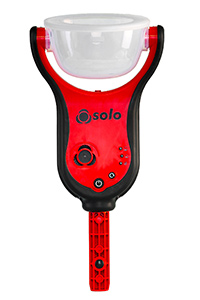
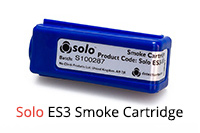
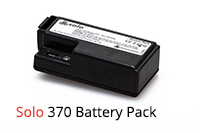
This new method of smoke generation takes the Solo brand to the next level. Solo 365 generates smoke on-demand via non-pressurised smoke cartridges – it’s lighter to use, quicker to test and suitable for more applications.
- On-demand smoke – faster testing, less wastage, eliminates risk of contamination
- 15% lighter than Solo 330 – supports easy movement around site
- Slim-line design – allows easy access to hard-to-access detectors
- Auto LED torch – for simple testing in dark environments
- Clearing mode – prevents re-alarms
- Non-pressurised cartridge – easy storage & transportation
- Detector manufacturer approved
Solo ES3 Smoke Cartridge
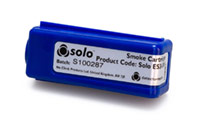
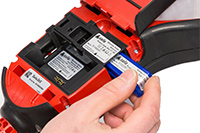
Inserted in the Solo 365 tester, a Solo ES3 smoke cartridge will produce a detector-friendly smoke compatible with the widest range of detectors.
- Detector manufacturer approved
- Non-flammable, non-pressurised & non-hazardous
- Rapid activation of detectors
- Compact design
Solo 330 Aerosol Smoke Dispenser
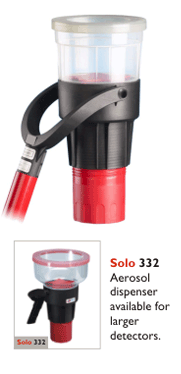

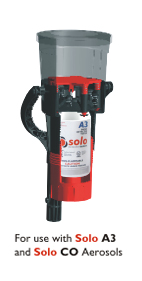

Fundamental to functional smoke checking for many professionals around the world the Solo 330 contains the test aerosol and ensures that it is applied correctly and contained only where required. Used with the access poles it enables safe testing at heights but is equally valued at low level.
- Lightweight and simple to use
- Universal design suits widest range of detectors (up to 100mm / 4" in diameter)
- Spring-loaded solution for suspended ceilings
- Transparent test cup for clear view of detector LED
- Swing frame for use at / from angles
- Detector manufacturer approved
- Solo 332 suitable for detectors up to 177mm / 7" in diameter
Solo Smoke Aerosols
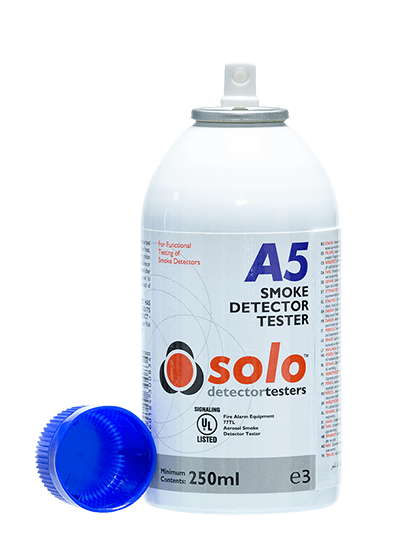
Approved all over the world, our Solo smoke aerosols (used with the Solo 330/332 dispensers) deliver smoke particles to the detector under test replicating the conditions of smoke from a fire. Our range of smoke aerosols has recently increased to allow continued use of our Solo 330/332 dispensers in full compliance with latest regulations.
All Solo smoke aerosols are:
- Detector manufacturer approved
- Designed for use with the Solo 330/332 dispensers
- Non-toxic
- Silicone free
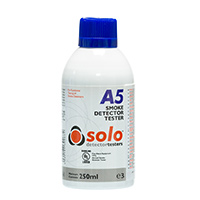
Solo A5 (Flammable) Smoke Detector Tester - UL & ULC Listed
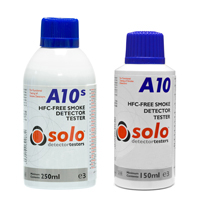
Solo A10 (Non-flammable, HFC-Free) Smoke Detector Tester
*See Terms & Conditions for details